

Health centers, whether large hospitals or smaller community clinics, depend on far more than skilled staff to deliver quality care. The equipment behind the scenes — diagnostic tools, treatment devices, monitoring systems, and even basic patient care furniture — plays a direct role in how accurately conditions are identified, how effectively treatment is delivered, and how safely patients recover. This article explores why medical equipment forms the backbone of comprehensive patient care, and what health centers should consider when evaluating their equipment needs.
The Direct Link Between Equipment and Patient Outcomes
Medical equipment isn’t just a supporting detail in healthcare delivery — in many cases, it directly determines the quality and accuracy of care a patient receives.
Accuracy in Diagnosis
- Diagnostic tools such as imaging systems, blood pressure monitors, and lab equipment provide the objective data clinicians rely on to identify conditions correctly
- Outdated or poorly maintained equipment can produce inaccurate readings, leading to delayed or incorrect diagnoses
- Modern, well-calibrated equipment reduces the margin for error in critical decision-making moments
Speed of Treatment
- Having the right equipment readily available allows staff to begin treatment without delays caused by missing or malfunctioning tools
- In emergency situations, equipment readiness can be the difference between timely intervention and preventable complications
- Efficient equipment setups reduce the time patients spend waiting for tests, procedures, or monitoring to begin
Categories of Medical Equipment Every Health Center Needs
Comprehensive patient care requires a range of equipment types, each serving a distinct function within the overall care process.
Diagnostic Equipment
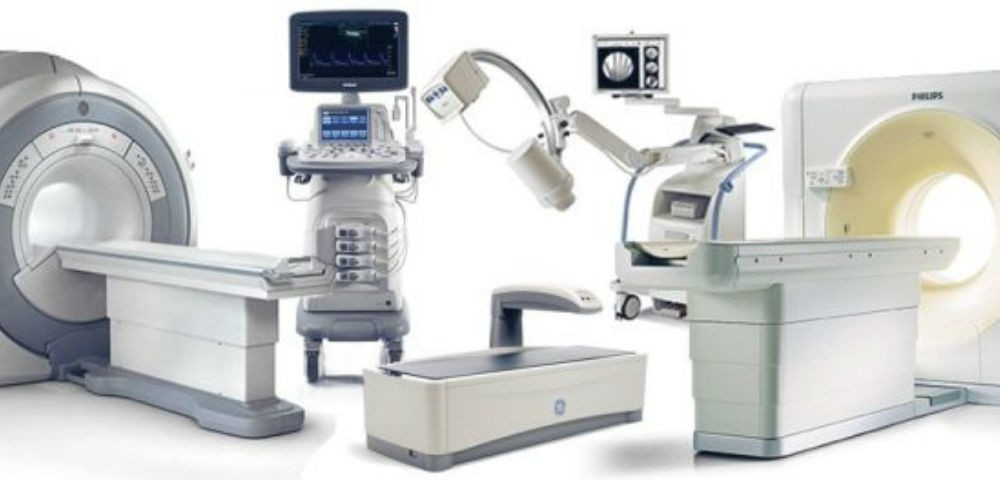
- Imaging devices, such as X-ray and ultrasound systems, used to identify internal conditions
- Laboratory equipment for blood work, testing, and sample analysis
- Basic diagnostic tools, including thermometers, stethoscopes, and blood pressure monitors, used during routine examinations
Treatment and Procedural Equipment
- Surgical instruments and equipment required for both minor and major procedures
- Infusion pumps and IV equipment used to administer medication and fluids accurately
- Specialized treatment devices tailored to specific departments, such as physiotherapy or respiratory care
Patient Monitoring Systems
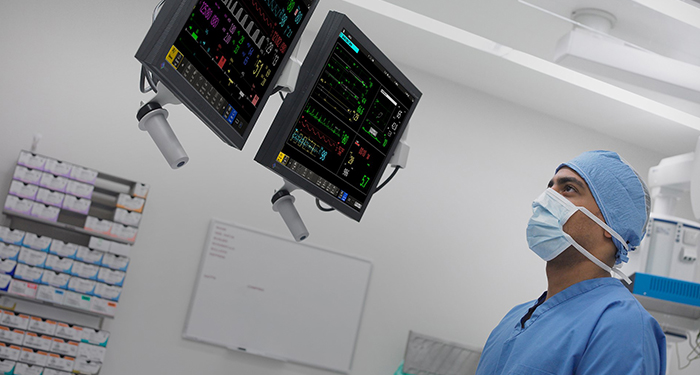
- Vital sign monitors that track heart rate, oxygen levels, and other critical indicators in real time
- Continuous monitoring equipment for patients in intensive or post-operative care
- Alarm and alert systems that notify staff immediately of any concerning changes in a patient’s condition
Patient Care and Comfort Equipment
- Hospital beds designed for proper positioning, pressure relief, and ease of care
- Mobility aids, including wheelchairs and transfer equipment, that support safe patient movement
- Supportive furniture and accessories that contribute to overall patient comfort during extended stays
How Equipment Quality Affects Daily Operations
Beyond individual patient interactions, the overall quality and reliability of a health center’s equipment shapes how smoothly daily operations run.
Staff Efficiency and Workflow
- Reliable equipment reduces time lost to troubleshooting or replacing malfunctioning tools mid-shift
- Well-organized, properly functioning equipment allows staff to focus attention on patient care rather than equipment issues
- Consistent equipment performance supports smoother handoffs between shifts and departments
Reducing Risk and Liability
- Malfunctioning or poorly maintained equipment increases the risk of patient harm and potential liability for the health center
- Regular maintenance and equipment audits help identify issues before they result in a critical failure during patient care
- Investing in quality equipment upfront often reduces long-term risk exposure compared to relying on aging or unreliable devices
Supporting Emergency Preparedness
- Health centers must be equipped to handle sudden emergencies, from cardiac events to respiratory distress, without delay
- Having a full range of emergency-ready equipment, properly maintained and readily accessible, is essential for rapid response
- Staff training on equipment use should be paired with reliable, well-functioning tools to ensure preparedness translates into effective action
Balancing Equipment Investment With Budget Realities
Equipping a health center comprehensively requires thoughtful planning, since budgets are rarely unlimited and priorities must be carefully weighed.
Prioritizing Based on Patient Population
- A health center serving primarily routine outpatient care has different equipment priorities than one handling higher-acuity or emergency cases
- Understanding the specific needs of the patient population served helps direct budget toward the equipment that will have the greatest impact
- Specialized departments, such as pediatrics or geriatric care, may require equipment tailored to those specific populations
Weighing Purchase vs. Long-Term Value
- Lower-cost equipment may seem attractive upfront but can result in higher maintenance costs or earlier replacement
- Investing in reliable, higher-quality equipment often proves more cost-effective over the equipment’s full lifespan
- Considering total cost of ownership, including maintenance and expected lifespan, provides a more accurate picture than upfront price alone
The Role of Trusted Suppliers
Working with an established medical equipment supplier, such as Medeon Med, gives health centers access to reliable products along with guidance on selecting equipment suited to their specific care setting. A knowledgeable supplier can also help identify which upgrades will have the most meaningful impact on patient care within a given budget.
Maintaining Equipment for Long-Term Reliability
Purchasing the right equipment is only the beginning — ongoing maintenance is what keeps that equipment functioning safely and effectively over time.
Routine Maintenance Practices
- Scheduled inspections and servicing help catch potential issues before they lead to equipment failure
- Calibration checks are particularly important for diagnostic equipment, where accuracy directly affects patient outcomes
- Clear maintenance logs support accountability and help identify recurring issues with specific equipment
Staff Training and Equipment Use
- Even the best equipment is only effective when staff are properly trained on its correct use
- Ongoing training ensures new staff members are brought up to speed quickly and existing staff stay current with any equipment updates
- Clear protocols for reporting equipment issues help ensure problems are addressed promptly rather than overlooked
FAQ
1. Why is up-to-date medical equipment so important for patient outcomes?
Modern, properly functioning equipment provides more accurate diagnostic information and enables faster, safer treatment, both of which directly influence how effectively a patient’s condition is managed.
2. What types of equipment should a smaller health center prioritize first?
Smaller health centers should generally prioritize essential diagnostic tools, basic patient monitoring equipment, and reliable patient care furniture, then expand into more specialized equipment based on the specific needs of their patient population.
3. How often should medical equipment be inspected or serviced?
Maintenance schedules vary by equipment type, but routine inspections should occur regularly enough to catch potential issues before they affect patient care, often guided by manufacturer recommendations and usage frequency.
4. Is it better to invest in higher-quality equipment upfront, even at a higher cost?
In many cases, yes. Higher-quality equipment often has a longer usable lifespan and requires less frequent repair, which can make it more cost-effective over time compared to cheaper alternatives that need earlier replacement.
5. How can a health center choose the right equipment supplier?
Look for a supplier with a strong reputation for reliability and support, such as Medeon Med, who can help match equipment choices to your specific patient care needs rather than offering a one-size-fits-all solution.
Final Thoughts
Medical equipment is far more than a line item in a health center’s budget — it directly shapes the accuracy of diagnoses, the speed and safety of treatment, and the overall quality of patient care. From diagnostic tools to patient comfort equipment, every category plays a role in comprehensive care delivery. By prioritizing quality, maintaining equipment consistently, and working with a knowledgeable supplier such as Medeon Med, health centers can ensure their equipment supports rather than limits the level of care they’re able to provide.