

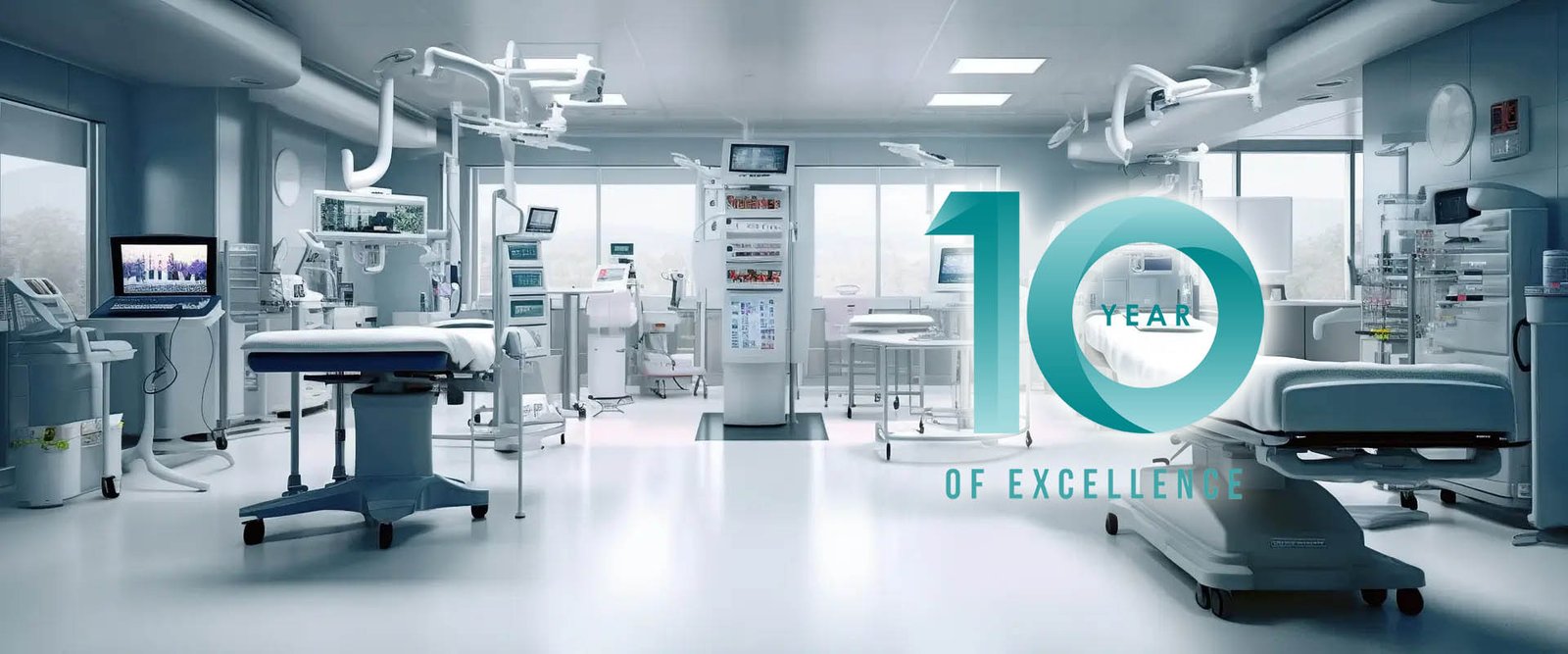
A well-equipped operation theater is the foundation of safe and efficient surgical care. Hospitals need more than surgical instruments to create a functional operating room. An effective operation theater requires a coordinated setup of surgical, anesthesia, monitoring, sterilization, lighting, patient positioning, and emergency equipment.
For hospitals in the UAE, selecting the right equipment also means considering clinical requirements, infection-control practices, workflow, equipment reliability, staff safety, and applicable healthcare standards.
This comprehensive operation theater equipment checklist can help hospital administrators, procurement teams, surgeons, and facility planners identify the essential equipment required for a modern operating room.
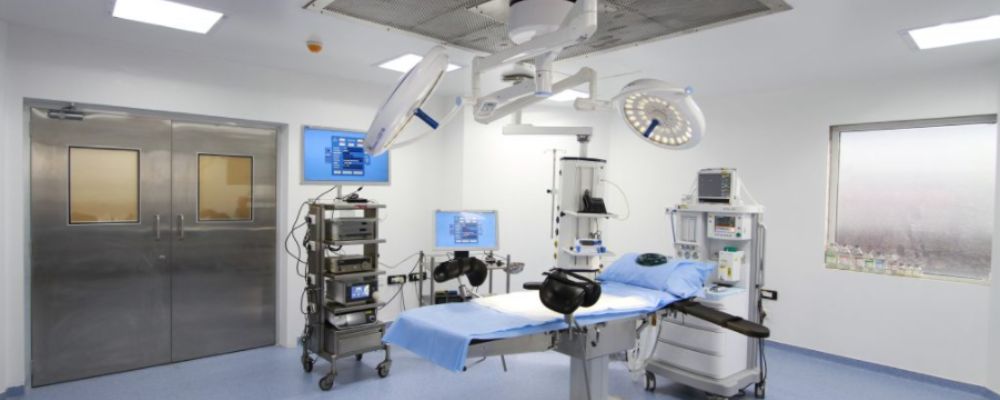
Essential OT Checklist:
1. Operating Table
The operating table is one of the most important pieces of equipment in any surgical theater.
A suitable surgical table should provide:
- Adjustable height and positioning
- Stable patient support
- Trendelenburg and reverse Trendelenburg positioning
- Easy cleaning and disinfection
- Compatibility with surgical accessories
- Appropriate weight capacity
A versatile operating table allows surgeons to position patients safely according to the procedure being performed.

2. Surgical Operating Lights
Proper illumination is essential for surgical precision. Operating lights should provide bright, shadow-reduced illumination without creating excessive heat around the surgical field.
Look for:
- Adjustable positioning
- High-intensity illumination
- Shadow reduction
- Easy-to-clean surfaces
- Sterile-handle compatibility
- Backup lighting where required
Modern LED surgical lights can provide consistent illumination while improving energy efficiency.

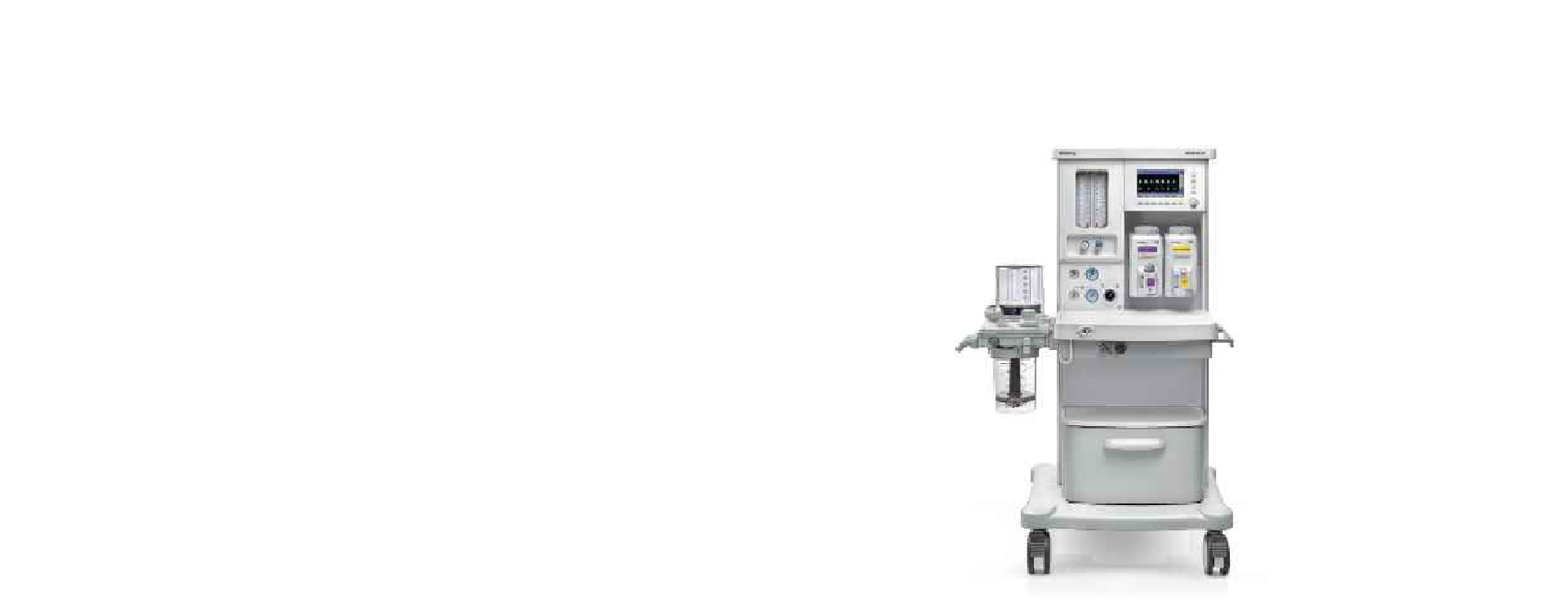
3. Anesthesia Machine
Anesthesia equipment is essential for administering and monitoring anesthesia during surgical procedures.
A modern anesthesia workstation may include:
- Ventilator
- Gas delivery system
- Breathing circuits
- Vaporizer
- Oxygen supply
- Carbon dioxide monitoring
- Safety alarms
Hospitals should select systems appropriate for their surgical specialties and patient population.
4. Patient Monitoring System
Continuous monitoring allows the clinical team to observe important physiological parameters throughout surgery.
A comprehensive patient monitor may measure:
- ECG
- Heart rate
- Blood pressure
- Oxygen saturation
- Respiratory rate
- Temperature
- End-tidal carbon dioxide
The Patient monitoring system should provide clear displays and appropriate alarms so changes in the patient’s condition can be identified quickly.
5. Electrosurgical Unit
An electrosurgical unit is widely used to cut tissue and control bleeding during many surgical procedures.
When selecting an ESU, hospitals should consider:
- Cutting and coagulation modes
- Power output
- Safety features
- Patient-return electrode monitoring
- Compatibility with surgical accessories
- Ease of operation
The right system can support efficient surgical workflows while helping clinicians manage bleeding during procedures.
6. Surgical Suction System
Effective suction is necessary for maintaining a clear surgical field and removing blood, fluids, and other materials during procedures.
A reliable suction system should provide:
- Consistent vacuum performance
- Appropriate collection capacity
- Easy-to-clean components
- Overflow protection
- Secure tubing connections
- Suitable disposable accessories
Hospitals may require dedicated or portable suction systems depending on operating theater design.
7. Anesthesia and Surgical Accessories
An operating theater requires a broad range of supporting equipment to ensure the surgical team can work efficiently.
Important accessories may include:
- Infusion pumps
- Syringe pumps
- Patient warming systems
- Surgical stools
- Instrument tables
- Mayo stands
- IV stands
- Utility trolleys
- Kick buckets
- Waste containers
These seemingly simple items contribute significantly to operating room organization and workflow.
8. Surgical Instrument Tables and Trolleys
Surgical instruments need to remain organized, accessible, and protected throughout a procedure.
A well-designed trolley should offer:
- Stainless steel construction
- Smooth mobility
- Lockable wheels
- Easy cleaning
- Adequate storage
- Corrosion resistance
Different surgical specialties may require specialized instrument trolleys and accessories.
9. Defibrillator and Emergency Equipment
Every operating theater should have immediate access to emergency resuscitation equipment.
Essential emergency equipment can include:
- Defibrillator
- Emergency trolley
- Ambu bag
- Oxygen delivery equipment
- Suction apparatus
- Airway management devices
- Emergency medications
- Patient monitoring equipment
Emergency equipment should be routinely checked and maintained so it remains ready for immediate use.
10. Medical Gas Systems
Operating rooms depend on reliable medical gas infrastructure. Depending on the facility, this can include oxygen, medical air, nitrous oxide, and vacuum systems.
Hospitals should ensure that:
- Gas outlets are correctly identified
- Connections are secure
- Pressure levels are monitored
- Systems receive regular maintenance
- Backup supplies are available where required
Medical gas planning should be incorporated into the operating theater design rather than treated as an afterthought.

11. Operating Room Furniture
Ergonomic medical furniture improves organization and supports staff efficiency.
Common requirements include:
- Instrument cabinets
- Storage cupboards
- Stainless steel workstations
- Medical stools
- Trolleys
- Shelving systems
- Waste management units
Furniture should be durable, easy to disinfect, and suitable for the demanding operating-room environment.
12. Sterilization and Infection-Control Equipment
Infection prevention is a fundamental part of surgical safety. Equipment used to support sterile processing and infection control should be integrated into the hospital’s overall workflow.
Depending on the facility, this may include:
- Autoclaves
- Sterile storage systems
- Instrument cleaning equipment
- Surgical hand-washing facilities
- Medical waste containers
- Disinfection equipment
Operating theater equipment should be selected with cleaning, disinfection, and infection-control procedures in mind.

13. Patient Positioning Accessories
Different surgical procedures require different patient positions. Positioning accessories help maintain stability while reducing pressure-related complications.
These can include:
- Head supports
- Arm supports
- Leg holders
- Surgical cushions
- Positioning pads
- Restraint systems
Correct positioning should always follow the procedure requirements and clinical team’s protocols.
14. Endoscopy and Specialty Surgical Equipment
Hospitals offering specialized procedures may require additional technology beyond the standard operating room setup.
Depending on the surgical specialties provided, this can include:
- Endoscopy systems
- Laparoscopic equipment
- Arthroscopy systems
- Surgical microscopes
- Cautery systems
- Specialty surgical instruments
- Imaging systems
The exact equipment list should be determined according to the hospital’s surgical services and expected case volume.
Operation Theater Equipment Checklist
Before commissioning an operating theater, hospital procurement teams can use this basic checklist:
- Operating table
- Surgical lights
- Anesthesia workstation
- Patient monitor
- Electrosurgical unit
- Surgical suction system
- Infusion and syringe pumps
- Defibrillator
- Emergency trolley
- Medical gas connections
- Instrument trolleys
- Mayo stands
- IV stands
- Surgical stools
- Patient positioning accessories
- Sterilization equipment
- Infection-control supplies
- Medical waste systems
- Specialty surgical equipment
- Backup power and essential support systems
How to Choose Operation Theater Equipment for a UAE Hospital
Equipment selection should be based on more than price. Hospital planners should evaluate:
Clinical Requirements
Identify the surgical specialties, procedures, patient types, and expected operating-room workload.
Equipment Compatibility
Ensure anesthesia systems, monitors, surgical tables, lights, and other devices can work effectively within the planned theater environment.
Infection Control
Choose equipment with smooth, durable, easy-to-clean surfaces and designs that support hospital hygiene protocols.
Staff Workflow
Equipment should be positioned so surgeons, anesthetists, nurses, and technicians can access essential devices without unnecessary movement.
Service and Maintenance
Reliable technical support, spare parts availability, preventive maintenance, warranty coverage, and staff training are important considerations for long-term performance.
Future Expansion
Hospitals should consider whether equipment can support future upgrades, additional surgical specialties, or increasing patient volumes.
Build a Safer, More Efficient Operating Theater with Medeon Med
A modern operation theater is a carefully coordinated clinical environment where every piece of equipment has a role. From surgical tables and lighting to anesthesia systems, patient monitors, emergency devices, and infection-control solutions, the right equipment can improve workflow and support safer surgical care.
Medeon Med helps healthcare facilities identify and source dependable medical equipment for modern operating theaters across the UAE. Whether you are establishing a new surgical department, upgrading an existing operating room, or planning a complete hospital project, our team can help you develop an equipment solution aligned with your clinical requirements.
Ready to equip your operating theater? Contact Medeon Med today to discuss your hospital requirements, request a tailored equipment consultation, and build a reliable surgical environment designed for efficiency, safety, and long-term performance.