

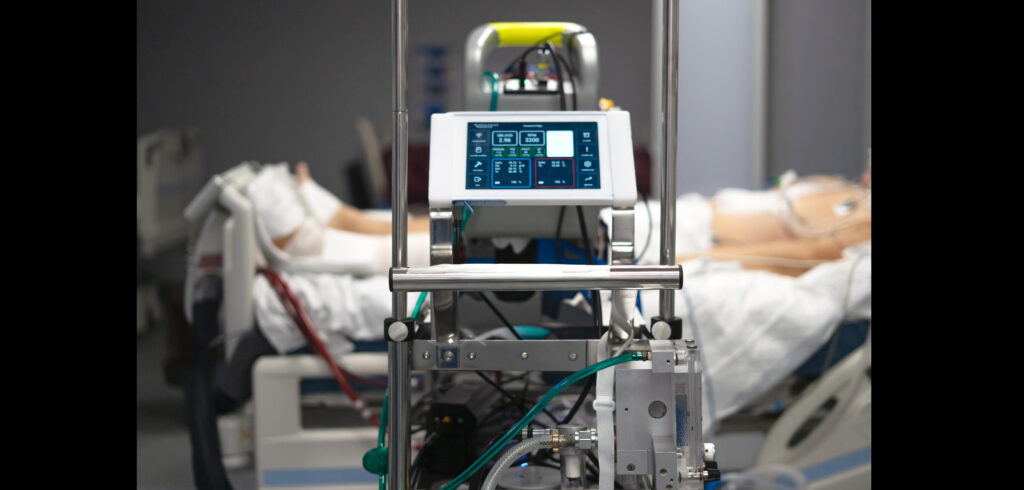
The Reality of Medical Equipment Supply in Africa
Africa’s healthcare sector is expanding fast — but procurement standards are not growing at the same speed.
Hospitals across West, Central, and East Africa are upgrading ICU facilities, diagnostic labs, and surgical units. Governments are increasing health budgets. Private healthcare investment is rising. But here’s the uncomfortable truth:
Many facilities still struggle with:
- Low-quality imported equipment
- Poor after-sales service
- No spare parts availability
- Weak technical training
- Delayed international shipping
If you’re sourcing medical equipment in Africa, the supplier you choose directly impacts patient safety, operational efficiency, and long-term financial stability.
That’s not marketing talk. That’s operational reality.
Why Choosing the Right Medical Equipment Supplier in Africa Matters
Medical procurement isn’t like buying office furniture. It involves:
- Regulatory compliance
- Import documentation
- Biomedical installation
- Calibration & certification
- Ongoing maintenance
A supplier that only “sells products” is not enough.
You need a partner who understands:
- African healthcare infrastructure challenges
- Customs clearance procedures
- Power compatibility & voltage stability
- Clinical workflow requirements
- Long-term service contracts
Key Categories of Medical Equipment in Demand Across Africa
1. ICU & Critical Care Equipment
- Ventilators
- Patient monitors
- Infusion pumps
- Defibrillators
With increasing critical care demand, reliable ICU systems are essential for both public and private hospitals.
2. Laboratory & Diagnostic Equipment
- Hematology analyzers
- Biochemistry analyzers
- PCR systems
- Rapid diagnostic tools
Accurate diagnostics reduce treatment errors and improve patient outcomes.
3. Radiology & Imaging Systems
- Digital X-ray
- Ultrasound machines
- CT & MRI systems
Imaging capabilities remain a high-growth segment in Africa’s medical sector.
4. Surgical & Operating Theatre Equipment
- Surgical tables
- Operating lights
- Anesthesia machines
- Sterilization systems
Modern surgical infrastructure requires more than equipment — it requires installation and technical support.
What Makes a Reliable Medical Equipment Supplier in Africa?
Let’s remove the fluff and talk standards.
A credible medical supplier should provide:
✔ Transparent Documentation
- Manufacturer certifications (CE, ISO, FDA where applicable)
- Country-specific compliance documents
- Product data sheets and technical specifications
✔ After-Sales Service Capability
- Installation support
- On-site or remote technical assistance
- Spare parts availability
- Warranty coverage
✔ Supply Chain Strength
- Reliable international sourcing
- Efficient export logistics
- Proven track record in African markets
✔ Technical Expertise
- Biomedical engineering support
- Equipment training for hospital staff
- Preventive maintenance plans
If a supplier cannot clearly demonstrate these capabilities, you are taking a risk.
Medeon Africa: Supporting Medical Infrastructure Across the Continent
Medeon Africa operates with a clear focus on supporting hospitals, clinics, diagnostic centers, and government healthcare projects across African markets.
The approach is built around:
- International sourcing from certified manufacturers
- Structured procurement assistance
- Product customization based on facility needs
- Ongoing technical support
Rather than positioning itself as just a reseller, Medeon Africa emphasizes project-based supply — especially for:
- Hospital setup projects
- ICU expansions
- Laboratory upgrades
- Radiology department installations
This structured model is essential in emerging healthcare environments where procurement errors can be costly.
Challenges in African Medical Equipment Procurement (And How to Avoid Them)
Let’s address common failures:
* Buying Based Only on Price
Cheaper equipment often means:
- Shorter lifespan
- Limited warranty
- No spare parts
- No technical support
* Ignoring Service Agreements
Many hospitals invest in equipment but fail to secure maintenance contracts. Within two years, machines sit unused.
* Poor Technical Evaluation
Decision-makers sometimes lack biomedical expertise during procurement.
Solution:
Work with suppliers who provide technical consultation, not just product catalogs.
Growing Healthcare Investment in Africa
Africa’s healthcare industry is projected to continue expanding due to:
- Population growth
- Urbanization
- Government infrastructure programs
- Private hospital expansion
- Increased health insurance penetration
Countries such as Cameroon, Nigeria, Ghana, Kenya, and Tanzania are seeing measurable demand growth in:
- ICU equipment
- Diagnostic systems
- Hospital furniture
- Emergency response equipment
This growth requires structured supply partnerships — not transactional vendors.
How to Select the Right Medical Equipment Supplier in Africa
Use this checklist:
- Request verifiable project references.
- Confirm international manufacturer partnerships.
- Verify logistics capability for your country.
- Review after-sales service structure.
- Assess long-term support plans.
If a supplier avoids these discussions, that’s your answer.
Final Thoughts
The African healthcare market offers enormous opportunity — but procurement mistakes are expensive and dangerous.
Choosing a professional medical equipment supplier in Africa is not about flashy websites or broad product lists. It’s about:
- Compliance
- Technical reliability
- Service infrastructure
- Long-term partnership
Medeon Africa positions itself within this framework by focusing on structured supply solutions for hospitals and healthcare institutions across the continent.
If your facility is planning an upgrade, expansion, or full hospital setup project, evaluate your supplier carefully. Equipment quality directly impacts clinical performance, patient safety, and operational sustainability.
In healthcare procurement, shortcuts always cost more later.