

How to Select an ECG Machine for a Hospital, Clinic, or Cardiology Center
The best ECG machine for your facility depends on three things: how many patients you test each day, where those tests happen, and what you need to do with the results afterwards. A busy hospital emergency department, a neighbourhood general practice, and a specialist cardiology center all record the same electrical signals from the heart, but they need very different machines to do it well.
At Medeon Med, we help healthcare providers match ECG equipment to real clinical needs. This guide explains the key features to compare and the questions to ask before you buy.
Understand the Main Types of ECG Machines in Dubai
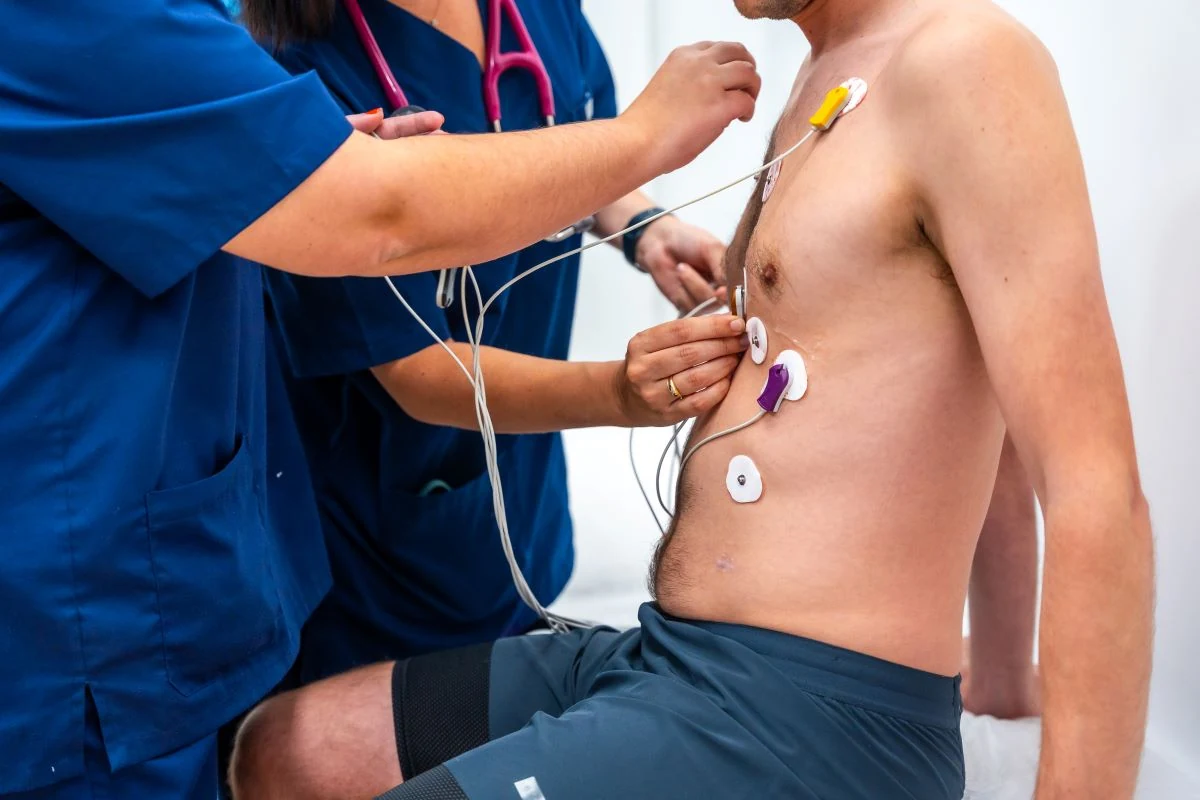
ECG machines are usually grouped by the number of channels they record and print at once.
Single-channel ECG
Records one lead at a time. These units are compact and affordable, but slower to use because leads are captured in sequence. They suit basic screening, small clinics, or ambulance backup.
Three-channel ECG
Records three leads simultaneously, cutting test time compared with single-channel units. A practical choice for general practices and outpatient clinics with moderate volume.
Six-channel ECG
Captures six leads at a time and is common in small hospitals and polyclinics that need faster workflow without the cost of a top-tier machine.
Twelve-channel ECG
Records all twelve standard leads at the same moment, producing the most complete snapshot of cardiac activity in the shortest time. This is the standard for hospitals, emergency departments, and cardiology centers, where speed and diagnostic detail matter most.
Beyond resting ECG machines, cardiology services often also need Holter monitors for 24 to 72 hour ambulatory recording and stress test (TMT) systems for exercise ECG. These are specialised systems and should be planned alongside your resting ECG equipment.
Match the ECG Machine to Your Hospital, Clinic, or Cardiology Setting
Hospitals
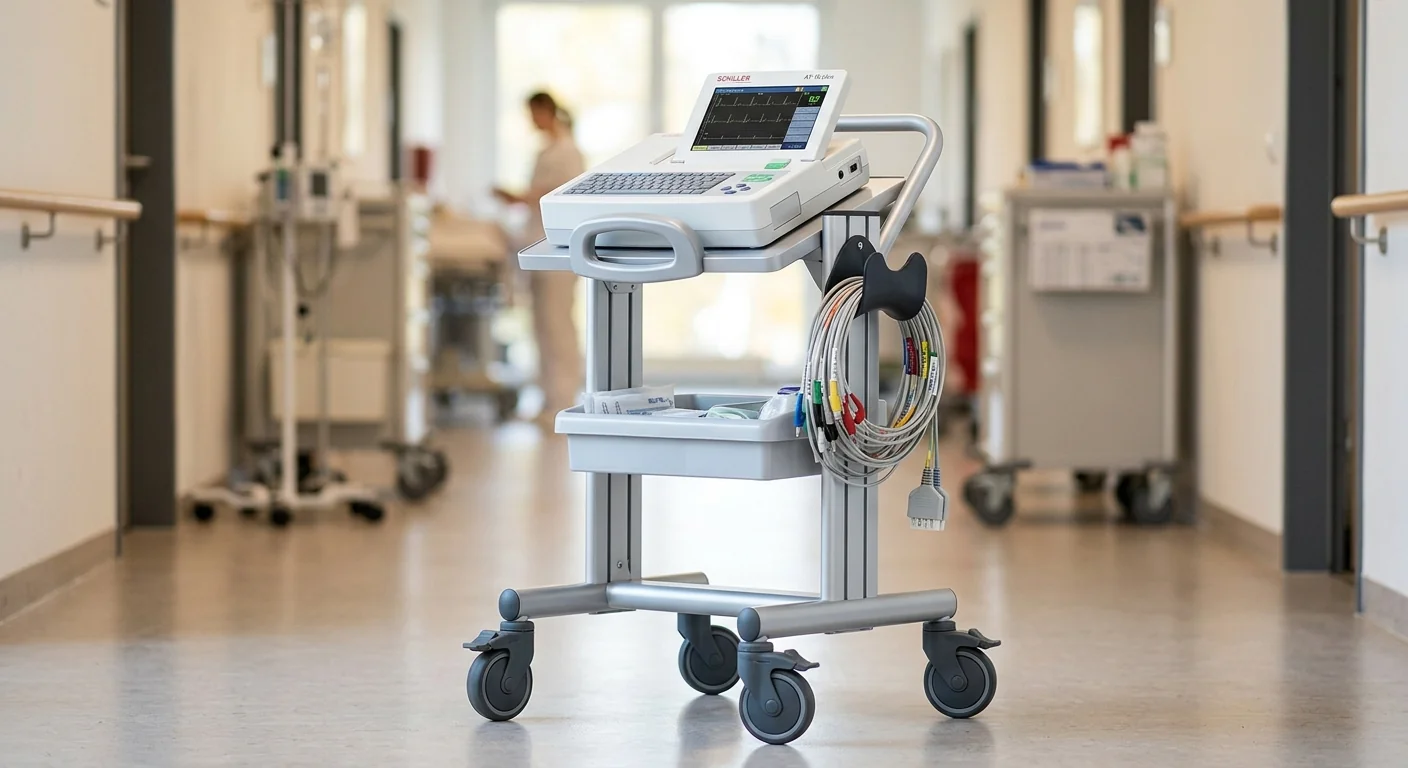
Hospitals typically need several twelve-channel machines spread across emergency, wards, ICU, and outpatient departments. Portability matters, because many ECGs are recorded at the bedside. Look for strong battery performance, a durable trolley, and network connectivity so tracings reach the cardiology team quickly.
General clinics and GP practices
For lower daily volumes, a three or six-channel machine is often enough. Prioritise ease of use, reliable interpretation software, and simple printing or PDF export. Staff in smaller clinics may not be ECG specialists, so a clear interface reduces errors.
Cardiology centers
Specialist centers need diagnostic-grade twelve-channel machines with advanced interpretation, high sampling rates, and seamless integration with Holter, stress test, and data management systems. Being able to compare a new ECG with a patient’s previous tracings is especially valuable here.
Key Features to Compare in an ECG Machine
Interpretation software
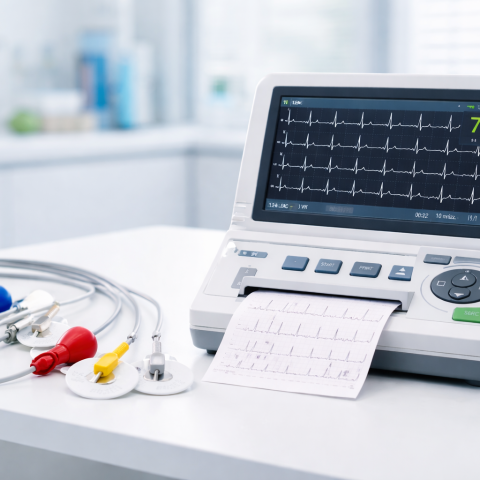
Most modern machines offer automated measurement and interpretation. Good algorithms provide accurate intervals, axis calculations, and age and gender-specific criteria. Interpretation supports the clinician but never replaces physician review, so treat it as a screening aid rather than a final diagnosis.
Signal quality and filtering
Clean tracings depend on effective filters for muscle tremor, baseline wander, and mains interference. Ask to see sample recordings, ideally taken in conditions similar to your own wards or clinic rooms.
Display and user interface
A large, clear touchscreen lets staff preview the tracing before printing, catch lead placement errors, and repeat a test without wasting paper.
Printing options
Thermal printers are standard. Check paper size compatibility, print format options such as 3×4 or 12×1 layouts, and the ongoing cost and local availability of paper.
Storage and connectivity
Internal memory, USB export, Wi-Fi or LAN connectivity, and compatibility with hospital information systems all affect how efficiently results move through your facility. Support for standard formats such as PDF, XML, or DICOM makes integration easier.
Battery and portability
For bedside and mobile use, check battery life, charging time, weight, and whether the machine works while charging.
Patient cable and electrodes
Durable, well-shielded patient cables reduce noise and last longer. Confirm whether the machine works with disposable electrodes, reusable suction electrodes, or both, and that replacements are easy to source.
ECG Machine Safety, Standards, and Compliance in the UAE
ECG machines are medical devices and should meet recognised safety and performance standards. When comparing options, ask suppliers for documentation such as relevant IEC electrical safety and ECG performance standards, ISO 13485 quality certification of the manufacturer, and any approvals required by your national regulator.
Defibrillation protection is also important in hospital and emergency settings. It ensures the ECG machine and its cables are protected if a patient needs to be defibrillated while connected.
Think About ECG Machine Workflow and Volume
Estimate how many ECGs each department records per day and how quickly results are needed. An emergency department that must assess chest pain patients rapidly needs fast twelve-channel acquisition and instant sharing with the on-call cardiologist. An outpatient clinic may value simple scheduling and patient record integration more.
Also consider who operates the machine. Technicians, nurses, and junior doctors may all record ECGs, so intuitive controls and clear on-screen guidance for lead placement help maintain consistent quality.
Calculate the Total Cost of Owning an ECG Machine
The purchase price is only the beginning. Factor in:
- Thermal paper and electrodes, which are recurring costs
- Replacement patient cables and batteries
- Software licences for interpretation or data management modules
- Preventive maintenance and calibration
- Local service availability and response times
- Warranty length and what it covers
A machine that is slightly cheaper to buy but expensive to run, or difficult to service locally, can end up costing more over its working life.
Questions to Ask Before You Buy an ECG Machine
- How many ECGs will this machine record each day?
- Will it stay in one room or move between wards?
- Does it need to connect to our existing hospital or clinic software?
- Who will operate it, and what training will they need?
- Are paper, electrodes, and spare parts readily available locally?
- What service support and response time does the supplier guarantee?
Why Choose Medeon Med for ECG Machines in Dubai
Selecting the right ECG machine means balancing diagnostic quality, workflow, connectivity, and long-term running costs. Medeon Med supports hospitals, clinics, and cardiology centers with needs assessment, product comparison across budgets, installation, staff training, and reliable after-sales service. From a single ECG machine for a new clinic to a complete cardiology diagnostic suite, our team can help you make a confident, well-informed choice.
Looking for the right ECG machine? Contact Medeon Med today to discuss your requirements and receive a tailored recommendation.