

Radiology Equipment for UAE Diagnostic Centers: A Complete Buyer’s Guide
The UAE’s healthcare sector is growing fast, driven by a rising population, medical tourism, government investment, and demand for quick, accurate diagnosis. Diagnostic centers are central to this growth, and radiology equipment is at the core of their services. Choosing the right imaging systems affects diagnostic accuracy, patient experience, regulatory compliance, and long-term profitability.
Whether you’re opening a new diagnostic center in Dubai, Abu Dhabi, or Sharjah, or upgrading existing equipment, this guide covers the key equipment types, buying considerations, and regulatory points to help you make a confident decision.
Why Choosing the Right Radiology Equipment Matters
Radiology equipment is one of the largest capital investments a diagnostic center makes. The right choice helps you:
- Deliver accurate diagnoses with high-quality images
- Improve patient throughput and reduce waiting times
- Meet regulatory and safety standards
- Control operating and maintenance costs
- Build a strong reputation with patients, physicians, and insurers
A poor choice can lead to frequent downtime, high service bills, compliance problems, and technology that becomes outdated too soon.
Essential Radiology Equipment for Diagnostic Centers
1. Digital X-Ray Systems (DR and CR)
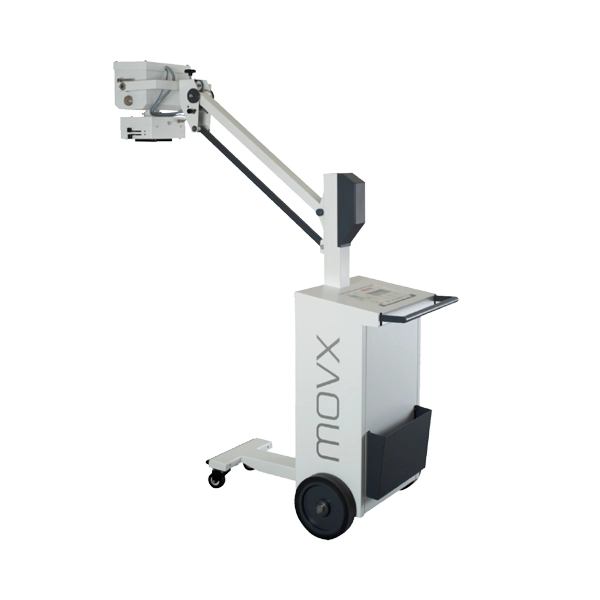
X-ray remains the most commonly used imaging method. Modern centers mostly choose digital radiography (DR), which produces images within seconds, improves workflow, and generally allows lower radiation doses than older systems. Computed radiography (CR) is a lower-cost option for smaller facilities upgrading from film.
Options include: fixed ceiling-mounted or floor-mounted systems, mobile X-ray units, and wall stands for chest imaging.
2. Ultrasound Machines
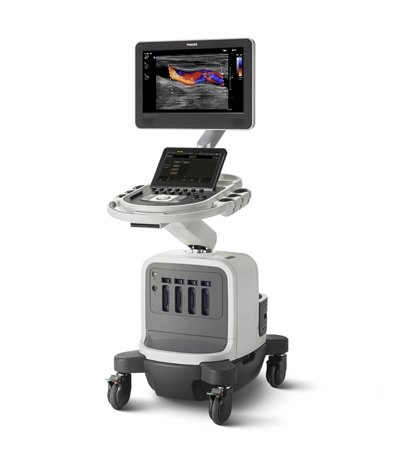
Ultrasound is radiation-free, versatile, and cost-effective. It’s widely used for abdominal, obstetric, gynecological, vascular, musculoskeletal, and cardiac imaging. Look for systems with a range of transducers, Doppler capabilities, and good image processing. Portable and point-of-care units add flexibility.
3. CT Scanners
Computed tomography (CT) provides detailed cross-sectional images and is essential for trauma, oncology, neurology, and cardiac imaging. Scanners are often described by slice count (for example, 16, 64, 128 slices and above). Higher-slice systems offer faster scanning and more advanced applications but cost more to buy and run. Dose-reduction software is an important feature.
4. MRI Systems
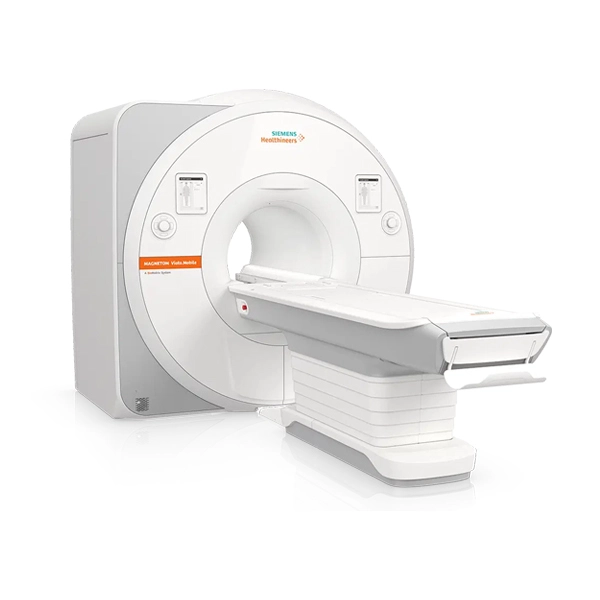
MRI offers excellent soft-tissue imaging without ionizing radiation. 1.5 Tesla systems are a common, versatile choice for most diagnostic centers, while 3 Tesla systems provide higher resolution for neuro, musculoskeletal, and advanced imaging. Consider wide-bore designs to improve comfort for anxious or larger patients. MRI suites need special shielding, cooling, and site planning.
5. Mammography Systems
Digital mammography and 3D tomosynthesis are key for breast cancer screening, a major public health priority in the UAE. Tomosynthesis can improve detection, particularly in dense breast tissue.
6. Fluoroscopy and C-Arm Systems
Fluoroscopy provides real-time moving images for procedures such as barium studies and some interventional work. C-arms are useful for centers offering image-guided procedures.
7. Bone Densitometry (DEXA)
DEXA scanners measure bone mineral density to diagnose osteoporosis. They’re a valuable addition for centers serving older patients and women’s health programs.
8. PACS, RIS, and Supporting IT
A Picture Archiving and Communication System (PACS) stores and shares images digitally, while a Radiology Information System (RIS) manages scheduling, reporting, and billing. Integration with hospital information systems and national health information exchanges improves efficiency and continuity of care. Teleradiology capability also helps with remote reporting.
Key Factors to Consider Before Buying Radiology Equipment in the UAE
Patient Volume and Service Mix
Start with your business plan. What services will you offer, and how many patients do you expect? A high-volume center may need faster, more advanced systems, while a smaller clinic might start with DR X-ray and ultrasound and expand later.
New vs. Refurbished Equipment
- New equipment offers the latest technology, full manufacturer warranties, and longer usable life.
- Certified refurbished equipment can reduce upfront costs significantly. Buy only from reputable suppliers that provide warranties, service support, and documentation that meets UAE regulatory requirements.
Total Cost of Ownership
Look beyond the purchase price. Include:
- Installation and site preparation (shielding, electrical, cooling)
- Service contracts and spare parts
- Software licenses and upgrades
- Consumables and energy costs
- Staff training
- Expected lifespan and resale value
Image Quality and Radiation Safety
Compare image quality across vendors, ideally through live demonstrations or sample images. For X-ray, CT, mammography, and fluoroscopy, prioritize dose-reduction features that support the ALARA (As Low As Reasonably Achievable) principle.
Local Service and Support
Downtime means lost revenue and delayed diagnoses. Choose suppliers with a strong local presence, trained engineers, fast response times, spare parts availability in the UAE, and clear service level agreements (SLAs).
Scalability and Upgrades
Ask whether systems can be upgraded with new software, detectors, or clinical applications. This protects your investment as technology and patient needs change.
Space and Infrastructure
Radiology equipment has strict room size, weight, power, and shielding requirements. Involve medical physicists and experienced installers early to plan layout, radiation protection, and patient flow.
Regulatory Considerations for Radiology Equipment in the UAE
Healthcare in the UAE is regulated at federal and emirate levels, and requirements can change, so always confirm current rules with the relevant authorities. Key points generally include:
- Health facility licensing from relevant health authority, such as DHA in Dubai, DOH in Abu Dhabi, or federal health regulator for Northern Emirates.
- Medical device registration, ensuring equipment is registered and approved for use in UAE.
- Radiation licensing from FANR for equipment that emits ionizing radiation, such as X-ray, CT, mammography, fluoroscopy.
- Radiation protection requirements, including shielding assessments, radiation safety officers, staff dosimetry, regular QC testing.
- Qualified staff, including licensed radiologists and radiographers.
Working with suppliers experienced in UAE compliance can make licensing and commissioning much smoother.
Choosing the Right Radiology Equipment Supplier in the UAE
When evaluating radiology equipment suppliers in the UAE, look for:
- Relevant product range covering the modalities you need
- Brand and manufacturer support
- Local service and maintenance
- Training and installation
- Financing and payment options
- References and reputation
- Proven installation experience in UAE facilities
Request detailed quotations from several suppliers and compare them on total value, not just price.
Financing Options for Radiology Equipment in the UAE
Because radiology equipment requires significant capital, many diagnostic centers use:
- Equipment leasing, which spreads costs and allows easier upgrades
- Bank financing designed for medical equipment
- Vendor financing or deferred payment plans
- Managed equipment services, where a provider supplies, maintains, and upgrades equipment for a regular fee
Conclusion: Choosing Radiology Equipment for Your UAE Diagnostic Center
Buying radiology equipment for a UAE diagnostic center is a major strategic decision. The right systems improve diagnostic accuracy, patient satisfaction, operational efficiency, and long-term profitability.
Start by defining your services and patient volume, compare technologies carefully, consider total cost of ownership, and make sure every purchase meets UAE regulatory requirements. Most importantly, partner with a trusted supplier that offers strong local support, training, and service.
With careful planning, your investment in radiology equipment can support high-quality patient care and sustainable growth for years.