


Hospital Consumables Checklist: What Every UAE Clinic Should Stock Monthly
Running a clinic or a small hospital is not only about treating patients. It is also about making sure that the right medical supplies are available at the right time. When a clinic runs out of gloves, masks, or syringes, daily work can slow down, appointments may be delayed, and patient care can be affected.
A monthly hospital consumables checklist helps clinics plan their stock properly. It helps staff know what to order, how much to order, and when to reorder, so they do not face last-minute shortages or expired products.
In the UAE, healthcare facilities are expected to maintain safe and reliable stock. The Dubai Health Authority (DHA) and other health regulators set clear expectations for medical equipment, infection control, and safe storage. A well-planned checklist supports compliance and helps clinics run smoothly.
This guide explains what hospital consumables are, what every UAE clinic should stock each month, how much to keep, and how to manage stock in a simple and practical way.
Why Is Monthly Medical Consumables Stocking Important?
Medical consumables are products that are used once and then thrown away. They are also called disposable medical supplies. They are used during examinations, treatments, laboratory tests, and cleaning.
Common examples include:
- Disposable gloves
- Face masks
- Syringes and needles
- Alcohol swabs
- Cotton and gauze
- Bandages and dressings
- Urine containers
- Blood collection tubes
- Hand sanitiser
- Surface disinfectants
- Sharps containers
- Specimen containers
- Thermometer covers
- Disposable bed sheets and examination table paper
A clinic may use hundreds of these items every day. Without regular stock checks, the clinic can face sudden shortages.
A monthly stock check helps clinics:
- Prevent stockouts
- Avoid expired products
- Reduce unnecessary spending
- Improve patient safety
- Keep daily work smooth
- Plan purchases in advance
- Follow UAE healthcare requirements
DHA’s healthcare guidance emphasizes the safe storage, handling, and use of medical products. A monthly checklist supports that goal.
Hospital Consumables Checklist for UAE Clinics
Every clinic has different needs based on the services it provides. A general clinic, dental clinic, dermatology clinic, and laboratory may use different products, but some items are common to all.
The list below covers the main hospital consumables a clinic should review every month.
1. Disposable Gloves
Gloves are one of the most used medical consumables in any clinic. They protect both staff and patients during examinations and procedures.
Monthly glove checklist:
- Nitrile gloves
- Latex gloves (if used)
- Vinyl gloves
- Powder-free gloves
- Different sizes: small, medium, large, and extra large
Check that glove boxes are sealed properly and stored in a clean and dry area.
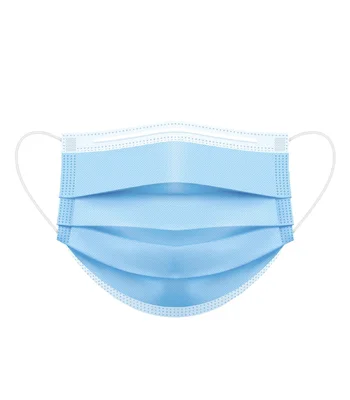
2. Face Masks and Personal Protective Equipment
PPE helps protect staff and patients from infection. Clinics should keep enough PPE for normal use and for periods of high patient visits.
- Surgical masks
- Respirator masks, such as N95 or FFP2
- Disposable gowns
- Protective aprons
- Face shields
- Protective eyewear
- Disposable caps
- Shoe covers
The exact PPE needed depends on the type of clinic and its services.
3. Syringes and Needles
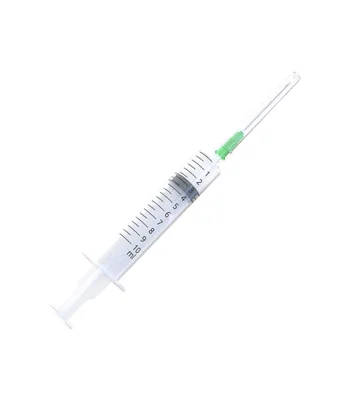
Syringes and needles are used for injections, blood collection, and other procedures. They must be stored properly and used only once.
- Disposable syringes in different sizes: 1 ml, 3 ml, 5 ml, and 10 ml
- Needles in different sizes
- Insulin syringes
- IV cannulas
- Blood collection needles
- IV sets
- Infusion sets
Stock should be based on the clinic’s daily usage. Never reuse single-use syringes or needles.
4. Wound Care Supplies
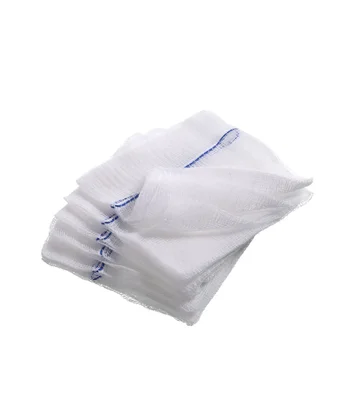
Basic wound care products are needed in almost every clinic, especially in general practice, dermatology, and minor procedure rooms.
- Sterile gauze pads
- Non-sterile gauze
- Adhesive bandages
- Cotton rolls
- Cotton balls
- Adhesive tape
- Crepe bandages
- Sterile dressings
- Antiseptic solutions
Keep different sizes and types, and check expiry dates regularly.
5. Alcohol Swabs and Skin Preparation Products
Alcohol swabs are used to clean the skin before injections or blood collection. Skin preparation products are used before minor procedures.
- Alcohol swabs
- Povidone-iodine solution
- Chlorhexidine solution
- Antiseptic wipes
- Skin preparation pads
Use products that are approved for medical use in the UAE.
6. Hand Hygiene Supplies
Hand hygiene is one of the most important parts of infection prevention. Supplies should be available in every room where staff and patients come into contact.
- Hand sanitiser
- Liquid hand wash
- Hand wash dispensers
- Disposable paper towels
- Hand dryers
- Hand hygiene posters
- Moisturising hand cream
Monthly hand hygiene checklist:
- Check soap and sanitiser levels
- Replace empty dispensers
- Clean dispensers
- Check paper towel stock
- Check expiry dates
DHA’s Health Facility Guidelines require appropriate hand hygiene facilities and supplies to be available at points of care.
7. Sharps and Medical Waste Supplies
Used needles, blades, and other sharp items must be disposed of safely.
- Sharps containers in different sizes
- Yellow medical waste bags
- Red medical waste bags
- Biohazard labels
- Gloves for waste handling
- Spill kits
Sharps containers should not be overfilled. They should be replaced when they reach the recommended fill level.
8. Laboratory Consumables
Clinics that provide laboratory services or point-of-care testing need a separate list of laboratory consumables.
- Blood collection tubes
- Urine containers
- Stool containers
- Specimen bags
- Test tubes
- Microscope slides
- Cover slips
- Pipette tips
- Reagent bottles
- Disposable gloves for lab use
- Lab coats
Not every clinic needs laboratory items, but if your clinic has a lab, these items should be checked every month.
For point-of-care testing, DHA states that facilities must use appropriate, quality-assured consumables and ensure proper handling and storage of specimens.
9. Cleaning and Disinfection Supplies
A clean clinic is essential for patient safety. Cleaning and disinfection products should be available for every area.
Common areas include:
- Examination rooms
- Waiting areas
- Reception desks
- Toilets
- Treatment rooms
- Laboratory areas
Common supplies may include:
- Surface disinfectants
- Floor cleaners
- Disinfectant wipes
- Spray bottles
- Mops and buckets
- Cleaning cloths
Use only products approved for healthcare use and follow the instructions on the label.
10. Dental and Specialty-Specific Consumables
A general checklist can be used as a base, but speciality clinics should add their own items.
Dental clinics may need:
- Dental bibs
- Saliva ejectors
- Dental needles
- Disposable cups
- Dental cotton rolls
- Dental masks
- Protective eyewear
Dermatology clinics may need:
- Sterile gloves
- Disposable applicators
- Sterile drapes
- Local anaesthetic supplies
- Post-procedure dressings
Aesthetic clinics may need:
- Disposable syringes and needles
- Facial drapes
- Gloves
- Skin preparation products
Medical laboratories may need:
- Sample containers
- Test kits
- Disposable pipettes
- Reagent supplies
- Protective equipment
The best inventory list is one that matches your clinic’s services.
How Much Hospital Consumables Stock Should a UAE Clinic Keep?
There is no single answer, because stock needs depend on the number of patients, the type of services, and the size of the clinic. A small clinic may use fewer supplies than a busy multi-speciality clinic.
For example, if a clinic uses around 2,000 pairs of gloves in a month, it should keep at least 2,500 to 3,000 pairs to cover extra demand and delivery delays.
A simple method is to calculate:
Average monthly usage + safety stock = target stock level
Safety stock provides protection when patient numbers increase or when a delivery is delayed.
The amount of safety stock should depend on:
- How many patients visit the clinic daily
- How quickly suppliers can deliver
- Whether the clinic has storage space
- Whether the product expires quickly
- Whether the product is used in emergencies
- Seasonal changes in patient visits
- Whether the product is available locally
- The clinic’s budget
Use the FIFO and FEFO Methods for Hospital Consumables
Good inventory management is not only about ordering. It is also about using the stock in the right order.
FIFO: First In, First Out
Under FIFO, the oldest stock is used first. This helps prevent products from sitting in storage for too long.
FEFO: First Expiry, First Out
FEFO means that products with the nearest expiry date are used first. This method is especially important for medical consumables because expired products cannot be used.
During your monthly check:
- Look at expiry dates.
- Move products with nearer expiry dates to the front.
- Separate expired or damaged items.
- Record products that need to be reordered.
- Follow your clinic’s disposal process for expired items.
Common Hospital Consumables Management Mistakes
Even well-managed clinics can make mistakes. These are some common problems:
Ordering Too Much
Buying large amounts of stock can lead to waste, especially if products expire before they are used.
Ordering Too Little
Low stock can lead to shortages and may affect patient care.
Ignoring Expiry Dates
Expired products must not be used. Regular checks are necessary to avoid this.
Poor Storage
Some products need to be stored in a cool and dry place. Poor storage can damage them.
No Usage Records
Without usage records, it is difficult to know what to order or how much to keep.
Using One Checklist for Every Department
Different departments use different items. One checklist may not work for all.
Tips for Better Hospital Consumables Management
Follow these simple steps to manage your stock more effectively.
1. Track Monthly Usage
Record how much of each product is used every month.
2. Set Minimum Stock Levels
Choose a minimum level for each item. When stock reaches this level, it is time to reorder.
3. Set Reorder Points
Create a list of reorder points for each product so staff know when to place an order.
4. Check Expiry Dates Monthly
Do not wait until a product expires. Check dates every month and use FEFO.
5. Keep Products Organized
Store similar products together and label shelves clearly.
6. Work With Reliable Suppliers
A reliable medical supply partner can help you plan your stock, deliver on time, and provide quality products.
7. Review the List Regularly
Your clinic’s needs change over time. Review your checklist every few months and update it based on new services, patient numbers, and supplier availability.
UAE Compliance for Hospital Consumables: What Clinics Should Remember
Medical consumables are closely linked to patient safety. Clinics in the UAE need to follow the rules set by their health authority. This includes DHA for Dubai, the Department of Health (DOH) for Abu Dhabi, and the Ministry of Health and Prevention (MOHAP) for the Northern Emirates.
Healthcare facilities need to follow rules for product quality, infection control, safe storage, and proper disposal.
DHA’s current online Health Facility Guidelines specifically advise clinics to maintain medical consumables at the point of use and to store them safely.
Clinics should therefore:
- Buy products that are registered or approved for use in the UAE
- Follow infection control guidelines
- Store products correctly
- Check expiry dates regularly
- Dispose of medical waste safely
- Keep records of purchases and stock
- Train staff on safe handling and storage
- Follow the instructions provided by suppliers
For regulated products, clinics should also follow the UAE’s medical device and healthcare regulations.
Final Monthly Hospital Consumables Checklist
Before closing your monthly stock check, use this quick list:
- Check gloves and masks
- Check syringes and needles
- Check wound care supplies
- Check alcohol swabs
- Check hand hygiene supplies
- Check sharps and waste supplies
- Check laboratory consumables
- Check cleaning and disinfection supplies
- Check dental and specialty supplies
- Check stock levels
- Check expiry dates
- Check storage conditions
- Check minimum stock levels
- Check reorder points
- Check usage records
- Check supplier delivery times
- Check that staff know what is in stock
- Check that products are stored correctly
- Check for damaged or expired items
- Check for items that are almost finished
- Check for items that are used most often
- Check for seasonal needs
- Check for new services that need new supplies
- Update the checklist if needed
Conclusion: A Smarter Hospital Consumables Checklist for UAE Clinics
A monthly hospital consumables checklist is one of the simplest ways for a UAE clinic to stay organized, reduce waste, and provide safe and reliable patient care. It helps clinics plan ahead, avoid shortages, and follow UAE healthcare standards.
By keeping the right products in stock, using FIFO and FEFO, checking expiry dates, and working with a trusted supplier, clinics can focus on what matters most: their patients.
FAQs
1. What are hospital consumables?
Hospital consumables are single-use medical products such as gloves, masks, syringes, swabs, gauze, and bandages. They are used once and then disposed of safely.
2. How often should a UAE clinic check medical consumables?
A monthly stock check is recommended. High-use items such as gloves and masks may need to be checked more often, especially in busy clinics.
3. What hospital consumables should every clinic keep?
Most clinics need gloves, masks, syringes, wound care supplies, alcohol swabs, hand hygiene products, sharps containers, and cleaning and disinfection supplies.
4. How can clinics avoid expired hospital consumables?
Use the FEFO method. Check expiry dates every month, move products with the nearest expiry date to the front, and remove expired items immediately.
5. Do UAE clinics have to follow DHA requirements?
It depends on the location. Clinics in Dubai follow DHA requirements, clinics in Abu Dhabi follow DOH requirements, and clinics in the Northern Emirates follow MOHAP requirements.